Houston, TX Service Program

High-Access Glass Rinsing in Houston, TX

Drone-assisted wetting and rinsing for upper-story glass, frames, ledges, and window bands where a rinse cycle is appropriate and contact-cleaning limits are clearly scoped. Helps facilities teams distinguish rinse support from squeegee-finish window cleaning, mineral-deposit restoration, post-construction cleanup, and other contact-cleaning work. Houston commercial exteriors are planned around Gulf Coast heat and moisture, fast-changing storm conditions, mixed facade assemblies, active entrances, vehicle circulation, drainage, and the actual finish requested. Drone-assisted cleaning is evaluated as one access option within that property-specific scope, not as a substitute for contact cleaning, restoration, inspection, or repair.
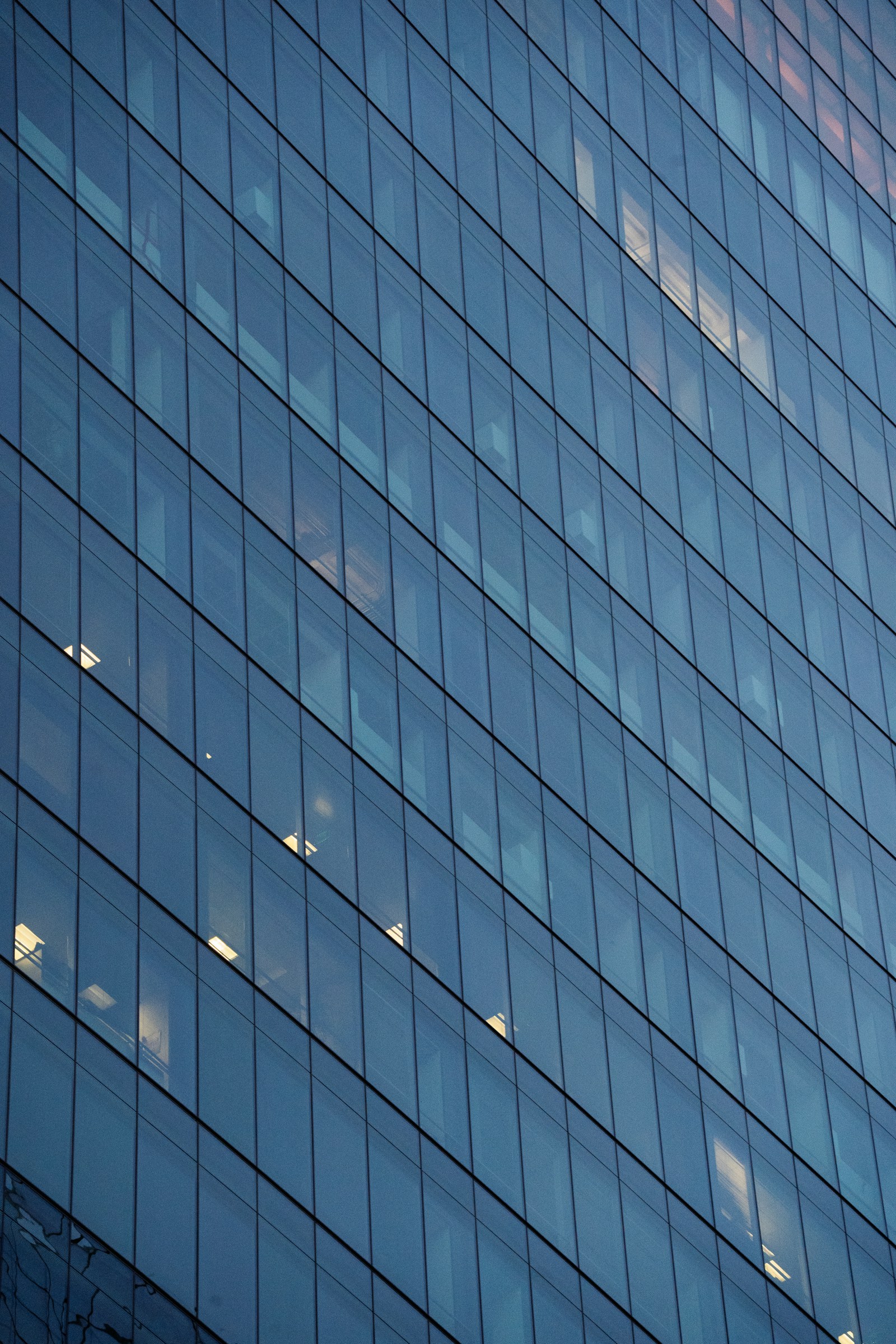
Blue glass curtain-wall facade on a modern office building
Glass rinse plans depend on water quality, deposits, sealants, wind, and the required finish.
What This Program Covers

Built for a clear scope before work begins.

  • Upper glass, frame, ledge, and window-band review
  • Pure-water or soft-wash rinse discussion where appropriate
  • Mineral deposit, residue, and oxidation exclusions identified before quoting
  • Water-fed pole, lift, or hand-detail backup recommendations
  • Photo documentation of service zones and remaining conditions
Houston Planning Notes

Plan each Houston elevation around its material, moisture, weather, and operating context.

A Downtown convention hotel, a Galleria-area mixed-use property, an Energy Corridor office, and an airport-oriented building can require different staging, work windows, water controls, and access methods. Each quote maps facade materials, recurring soil, sun and shade, entrances, traffic, airspace, and runoff before selecting drone, pole, lift, ground, or contact work.

  • Map brick, precast concrete, stucco, EIFS, coated metal, stone, sealants, canopies, and glazing as separate treatment zones.
  • Identify guest and employee entrances, accessible routes, valet lanes, loading areas, shuttles, parking, water access, hose paths, and drainage features.
  • Set property-specific heat, surface-temperature, wind, lightning, rain, spray-control, and restart conditions before scheduling.
  • Define the expected maintenance-cleaning result and list contact glass work, restoration, inspection, repair, and inaccessible areas separately.
Houston Property Teams

What to bring to the first conversation.

Property address, approximate height, facade or glass materials, visible staining, water access, nearby storm drains, guest or tenant traffic, and the preferred work window all help the team build a realistic scope.

Access

Launch space, stand-off distance, lift backup, hose routes, roof geometry, and pedestrian controls.

Finish

Rinse, soft-wash treatment, contact-cleaning follow-up, mineral-deposit work, or restoration-grade detail.

Documentation

Before-and-after photos, service zones, remaining conditions, and recommended maintenance cadence.

Frequently Asked

High-Access Glass Rinsing questions

Can a drone provide a squeegee finish?

No. A drone can support wetting and rinsing, but a squeegee finish, scraping, mineral-deposit removal, and detailed frame work require contact access and should be scoped separately.

What makes an upper glass rinse a good fit?

Clear stand-off distance, safe launch space, compatible glass and frame conditions, manageable wind, water access, and a controlled ground area are all important factors.

Get a Quote

Talk through Houston high-access glass rinsing.

Share enough detail for the coverage team to identify the likely access method, work window, and follow-up questions.