Property Team Insight - Houston, TX

What Property Managers Should Ask About Commercial Wash Water

Exterior cleaning should account for water access, drainage, landscaping, storm drains, chemistry, and the site’s applicable environmental requirements before the first rinse begins. Houston commercial exteriors are planned around Gulf Coast heat and moisture, fast-changing storm conditions, mixed facade assemblies, active entrances, vehicle circulation, drainage, and the actual finish requested. Drone-assisted cleaning is evaluated as one access option within that property-specific scope, not as a substitute for contact cleaning, restoration, inspection, or repair.

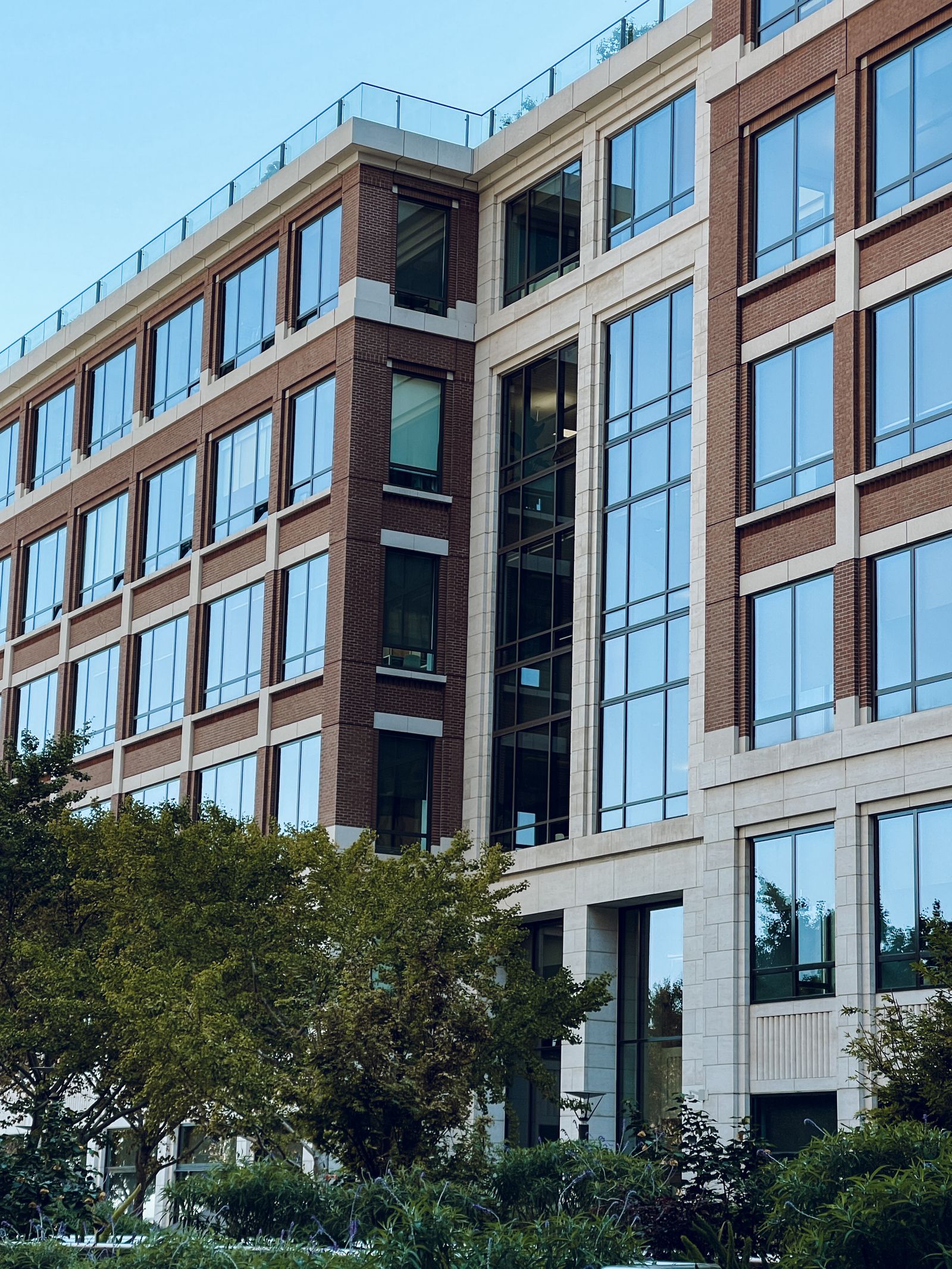
Modern commercial property with glass and masonry facade surfaces
Mixed commercial facades need surface-specific chemistry, pressure, and finish expectations.
Houston Building Care

Review the drainage path

The site assessment should identify nearby drains, landscaped areas, public walkways, loading zones, and other places where wash water could travel.

Houston Building Care

Match method to surface

Chemistry, dwell time, pressure, rinse volume, and containment needs vary by brick, EIFS, stucco, glass, metal, coatings, and roofline materials.

Houston Building Care

Keep the record

A documented plan makes it easier for facilities teams to understand what was cleaned, what controls were used, and what follow-up is recommended.

Local Planning Lens

Plan each Houston elevation around its material, moisture, weather, and operating context.

A Downtown convention hotel, a Galleria-area mixed-use property, an Energy Corridor office, and an airport-oriented building can require different staging, work windows, water controls, and access methods. Each quote maps facade materials, recurring soil, sun and shade, entrances, traffic, airspace, and runoff before selecting drone, pole, lift, ground, or contact work.

  • Map brick, precast concrete, stucco, EIFS, coated metal, stone, sealants, canopies, and glazing as separate treatment zones.
  • Identify guest and employee entrances, accessible routes, valet lanes, loading areas, shuttles, parking, water access, hose paths, and drainage features.
  • Set property-specific heat, surface-temperature, wind, lightning, rain, spray-control, and restart conditions before scheduling.
  • Define the expected maintenance-cleaning result and list contact glass work, restoration, inspection, repair, and inaccessible areas separately.
Next Step

Turn the question into a property-specific scope.

The guide is a starting point. Surface, access, traffic, weather, water, and the required finish determine the right next step for the building.